Free A1-Level Montenegrin Language and Orientation Program
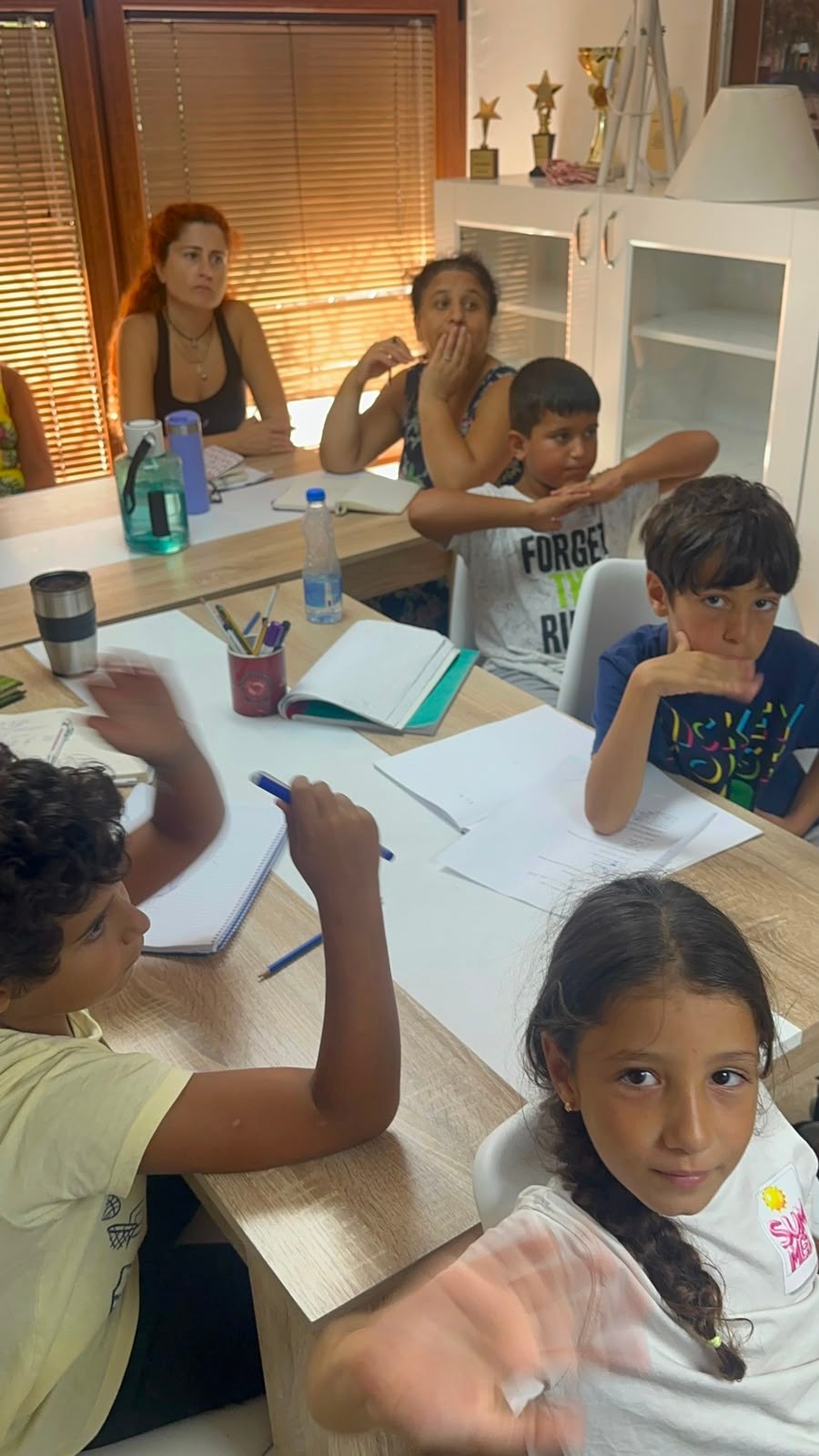
At TURKADER, we consider it one of our priorities to support our members and their families who live in Montenegro or have recently settled in the country, helping them adapt more easily to everyday life and providing assistance with language and culture. Within this framework, our association offers an A1-level Montenegrin language and orientation program tailored to the needs of our members.
Purpose of the Project
This program is designed to help our members and their families adapt to everyday life in Montenegro, acquire basic language skills and overcome difficulties they may encounter during official and administrative procedures. By reducing the language barrier, we aim to enable our members to participate more actively in social and economic life.
Who Can Benefit?
The program is intended for members of our association and their first-degree relatives and is provided completely free of charge. Members who wish to participate can contact our association to register.
Scope of the Program
- A1-Level Montenegrin Language Training: Participants acquire basic language skills needed in everyday life, including basic grammar, everyday expressions, greetings, self-introduction, shopping, healthcare, transportation and communication during official procedures.
- Orientation Program: Participants receive information about Montenegro's culture, traditions, social life, public institutions, healthcare system, education system, transportation, housing and other important aspects of everyday life.
- Practical Activities: Practical dialogue exercises and applied activities are organized around situations participants may encounter in everyday life.
- Free Training: No fee is charged for participation in the program.
- Duration of Training: The duration and schedule of the program are determined by the association's management according to the number and needs of participants.
How to Apply?
Members who wish to participate in the program can register by contacting the management of our association or through our communication channels. Applications are evaluated according to available capacity, and participants are provided with the necessary information.
Important Note
Our language training covers the basic A1 level and does not include advanced language education. The programs are carried out with the support of our volunteer instructors and in cooperation with the association. Available capacity and instructor availability may be determining factors in the organization of the programs.
At TURKADER, we will continue to stand by our members, helping them feel at home in Montenegro and overcome language and cultural barriers.
Traditional Turkish Festival Project
At TURKADER, we aim to implement the Turkish Festival Project, planned as an annual traditional event to preserve, promote and pass on the cultural heritage of the Turkish community living in Montenegro to future generations.
In addition to introducing our cultural values to a wider audience, the project aims to strengthen social solidarity, increase interaction between the societies of Türkiye and Montenegro and encourage economic cooperation.
Purpose of the Project
- To promote and preserve Turkish culture, traditions and values in Montenegro.
- To strengthen cultural dialogue and interaction between Turkish and Montenegrin communities.
- To create business development and cooperation opportunities between our members and local businesses.
- To pass our cultural heritage on to younger generations.
- To strengthen the sense of unity and solidarity within the Turkish community living in Montenegro.
Scope and Duration of the Project
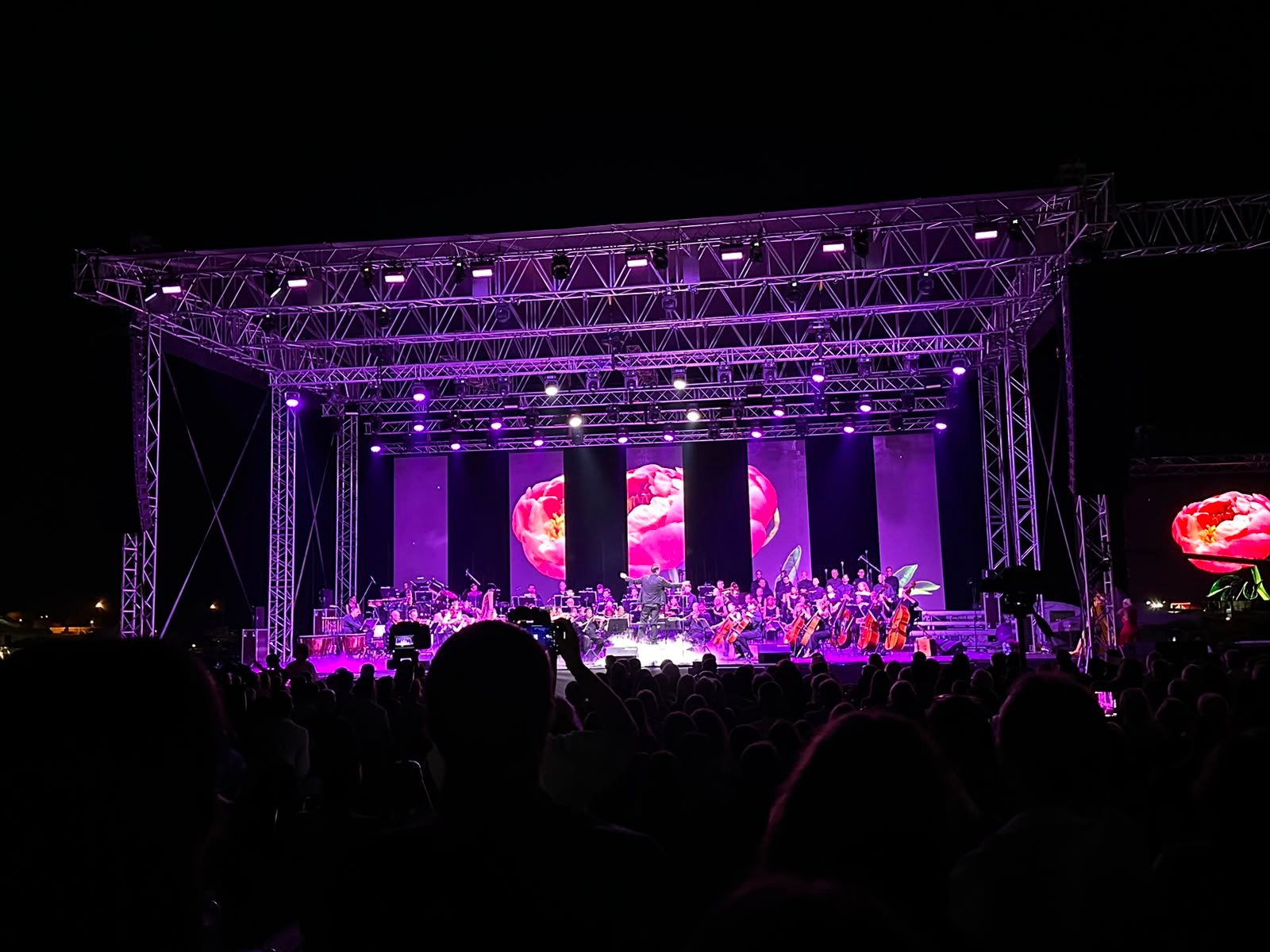
The festival is planned to be held traditionally every year for three days. Throughout the program, concerts, cultural activities, promotional stands and business development activities are intended to be organized together.
1. Concerts and Stage Performances
- Concerts featuring Turkish and Montenegrin artists.
- Traditional Turkish music and folk dance performances.
- Modern Turkish music performances.
- Joint performances with local Montenegrin artists.
- Evening events and special stage programs.
2. Stands and Promotional Areas
- Food and beverage stands presenting Turkish cuisine and traditional specialties.
- Handicraft, souvenir and cultural product stands.
- Promotional stands for associations and non-governmental organizations.
- Areas for local businesses to present their products and services.
- Information and consultation stands.
3. Promotional and Cultural Activities
- Exhibitions and visual presentations introducing Turkish culture.
- Traditional handicraft workshops and practical activities.
- Cultural activities and play areas for children.
- Panels and discussions on cultural heritage and history.
- Promotional materials in Turkish and Montenegrin.
4. Business Development and Cooperation Activities
- Networking events bringing together Turkish and Montenegrin businesspeople.
- Business development panels and seminars.
- Sessions presenting investment and trade opportunities.
- Cooperation protocol and agreement-signing events.
- Workshops on entrepreneurship and innovation.
Target Audience
- TURKADER members and their families.
- The Turkish community living in Montenegro.
- Local Montenegrin residents and visitors.
- Turkish and Montenegrin businesspeople and entrepreneurs.
- Non-governmental organizations and associations.
- Culture and art enthusiasts.
Expected Outcomes
- Greater recognition of Turkish culture among wider audiences in Montenegro.
- Stronger cultural and economic ties between Turkish and Montenegrin communities.
- New cooperation opportunities for local businesses and entrepreneurs.
- Increased social impact and visibility of our association.
- Creation of a recognizable traditional festival brand.
- Transfer of cultural heritage to younger generations.
Organization and Stakeholders
The festival is planned to be organized under the coordination of TURKADER, with contributions from our volunteer members and in cooperation with various institutions and organizations.
- Local authorities and municipalities in Montenegro.
- Turkish and Montenegrin non-governmental organizations.
- Sponsor companies and business partners.
- Cultural and artistic institutions.
- Educational institutions and universities.
- Media organizations.
Sponsorship and Support
To ensure the sustainability of the festival and expand its scope, sponsorship and support opportunities are planned to be explored. Businesses, institutions and individuals may contribute to the project as sponsors or supporters in various areas of the festival.
Conclusion
The Traditional Turkish Festival is one of the important projects reflecting TURKADER's cultural and social mission. The festival is intended to be not merely an entertainment event, but a multidimensional platform that preserves our cultural heritage, strengthens social solidarity and creates opportunities for economic cooperation.
Turkish Culture House Project
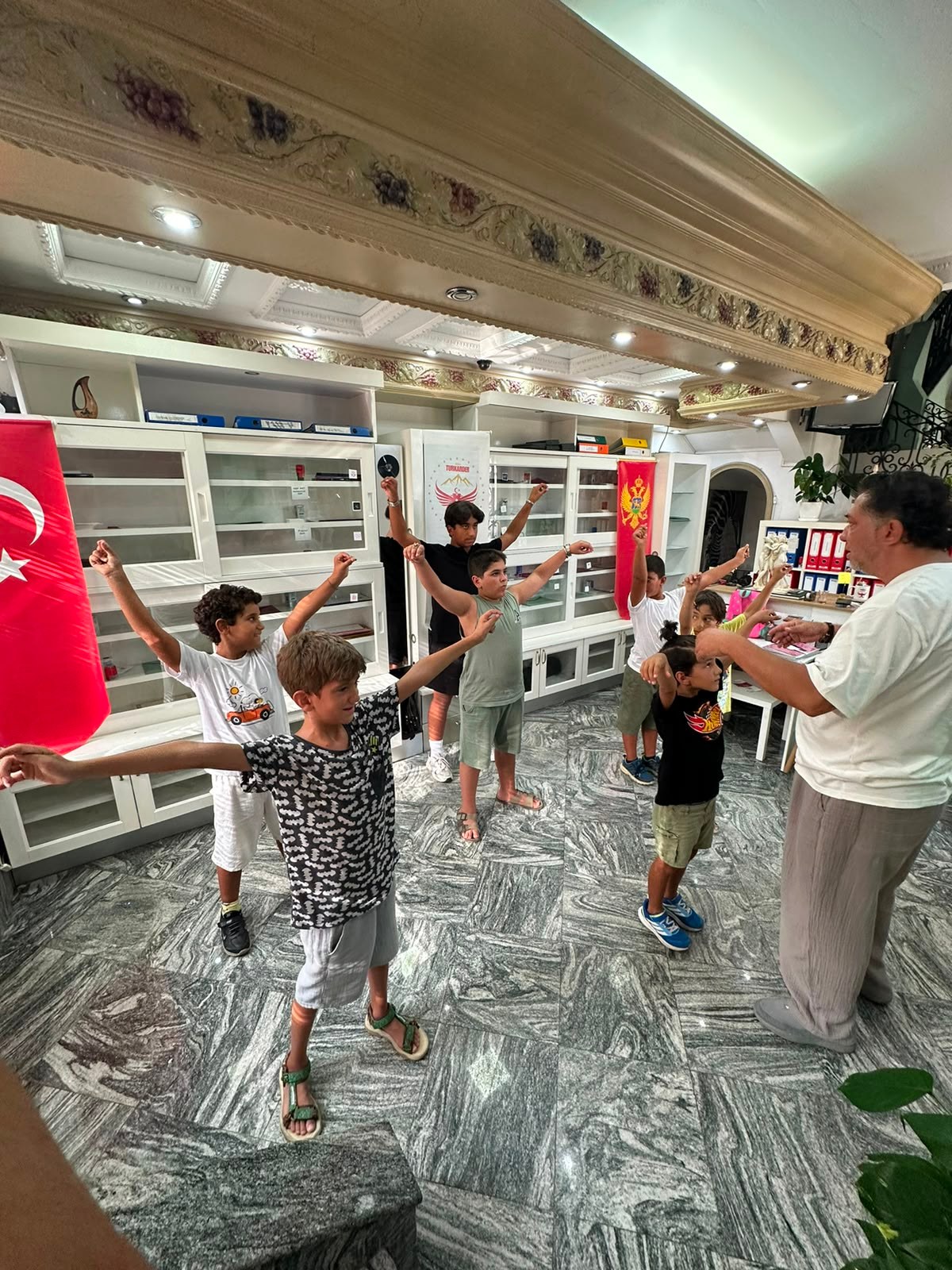
At TURKADER, we aim to implement the Turkish Culture House Project in order to preserve the cultural heritage of the Turkish community living in Montenegro, pass it on to future generations and introduce Turkish culture to a wider audience.
In addition to preserving and sustaining our cultural values, the project aims to create a permanent, multipurpose center that will strengthen social solidarity and host educational and artistic activities.
Purpose of the Project
- To promote and preserve Turkish culture, traditions and values in Montenegro.
- To strengthen cultural dialogue between Turkish and Montenegrin communities.
- To pass cultural heritage on to younger generations and encourage the learning of Turkish.
- To establish a permanent center for cultural, artistic and educational activities.
- To strengthen unity and solidarity within the Turkish community living in Montenegro.
- To create a shared platform for Turkish and Montenegrin artists, academics and entrepreneurs.
1. Culture and Art Areas
- Exhibition Hall: Permanent and temporary exhibitions presenting Turkish culture, history and art.
- Performance and Event Hall: A multipurpose venue for concerts, theatre performances, folk dances and stage performances.
- Handicrafts Workshop: Activities focusing on traditional Turkish arts and crafts such as ebru, calligraphy, illumination, ceramics and weaving.
- Music and Dance Studio: A dedicated space for Turkish music and folk dance activities.
2. Education and Language Areas
- Turkish Language Classrooms: Level-based language courses for people wishing to learn Turkish.
- Montenegrin Language Classrooms: Montenegrin language learning support for Turkish people living in Montenegro.
- Library and Research Center: A research area containing resources on Turkish literature, history and culture.
- Seminar and Conference Hall: A venue for panels, discussions, seminars and educational programs.
3. Social and Cultural Interaction Areas
- Hospitality and Tea Garden: A social meeting space reflecting the tradition of Turkish hospitality.
- Turkish Cuisine Workshop: A culinary workshop where traditional Turkish dishes can be introduced and taught.
- Children's Play and Activity Area: Cultural activities and play areas designed for children.
- Youth and Volunteering Center: A space where young people can come together through social responsibility projects.
4. Promotion and Business Development Areas
- Promotion and Information Office: Information about Turkish culture and TURKADER's activities.
- Business Development and Advisory Unit: Support and advisory services for entrepreneurs and businesspeople.
- Exhibition and Sales Area: A space where Turkish handicrafts and cultural products can be displayed.
- Meeting and Event Rooms: Multipurpose spaces for association activities, meetings and events.
Target Audience
- TURKADER members and their families.
- The Turkish community living in Montenegro.
- Local Montenegrin residents and visitors.
- People interested in learning Turkish.
- Culture and art enthusiasts.
- Students, academics and researchers.
- Turkish and Montenegrin businesspeople and entrepreneurs.
- Non-governmental organizations.
Expected Outcomes
- Promotion and preservation of Turkish culture in Montenegro through a permanent cultural center.
- Expansion of Turkish language learning and strengthening of linguistic ties.
- Development of cultural and economic ties between Turkish and Montenegrin communities.
- Transfer of cultural heritage to younger generations.
- Regular organization of cultural, artistic and educational activities.
- Creation of a permanent meeting and solidarity center for the Turkish community living in Montenegro.
Organization and Stakeholders
- Local authorities and municipalities in Montenegro.
- Turkish and Montenegrin non-governmental organizations.
- Cultural and artistic institutions.
- Educational institutions and universities.
- Sponsor companies and business partners.
- Media organizations.
- International cultural organizations and funds.
Financing and Sustainability
- The association's own resources and member contributions.
- Sponsorships and donations.
- Local and international grant programs.
- Potential income from cultural activities.
- Potential income from rentable spaces.
- Support from public institutions and municipalities.
Conclusion
The Turkish Culture House is one of the projects intended to strongly reflect TURKADER's cultural and social mission. The center is intended to be more than a physical building; it is envisioned as a multidimensional platform that preserves our cultural heritage, strengthens social solidarity, hosts educational and artistic activities and contributes to strengthening friendship between Türkiye and Montenegro.
Word of the Bar Fairground Project
At TURKADER, we aim to develop a comprehensive fair and event venue in Montenegro capable of hosting international economic, cultural, artistic and commercial events, as well as high-level summit meetings.
The project, planned under the name Word of the Bar, aims to contribute to Montenegro's regional attractiveness and bring together Turkish and Montenegrin businesspeople, artists, entrepreneurs and international stakeholders.
Purpose of the Project
- To establish a permanent fair and event venue where economic, cultural, artistic and commercial activities can be organized.
- To host international summits, congresses and conferences.
- To encourage commercial cooperation and investment between Turkish and Montenegrin businesspeople.
- To strengthen dialogue between communities through cultural and artistic events.
- To contribute to promoting Montenegro's tourism and economic potential on international platforms.
- To contribute to regional development and employment.
1. Fair and Exhibition Areas
- Main Exhibition Hall: A large-capacity hall for international fairs, commercial exhibitions and product presentations.
- Thematic Exhibition Areas: Dedicated spaces for sectors such as food, textiles, technology and tourism.
- Outdoor Fairground: An area for large-scale events and outdoor exhibitions.
- Art Gallery: A gallery space for cultural and artistic exhibitions.
- Handicraft and Cultural Stands: Stand areas for traditional products and cultural presentations.
2. Congress and Summit Areas
- Main Conference Hall: A large-capacity venue for international summits, congresses and conferences.
- Meeting Rooms: Rooms of various sizes for business meetings, panels and workshops.
- VIP Areas: Private relaxation and meeting areas for high-level participants.
- Press and Media Center: A fully equipped center enabling media coverage of events.
- Simultaneous Interpretation: Multilingual communication infrastructure for international events.
3. Culture and Art Areas
- Performance and concert venues.
- Cultural activity and traditional handicraft workshops.
- Exhibition areas presenting Turkish and Montenegrin culture.
- Creative and production studios for artists.
4. Trade and Business Development Areas
- Business development and advisory center.
- Networking and professional meeting spaces.
- Temporary offices for international companies and investors.
- Investment and trade advisory unit.
- B2B meeting and negotiation rooms.
5. Social and Support Areas
- Restaurants and cafeterias.
- Rest and social areas.
- Children's and family areas.
- Parking and transportation infrastructure.
- Opportunities for cooperation with accommodation facilities in the surrounding area.
6. Technology and Infrastructure
- Professional sound and lighting systems.
- Digital promotion and broadcasting systems.
- Wi-Fi and communications infrastructure.
- Environmentally friendly and sustainable design solutions.
- Barrier-free and accessible design.
Target Audience
- TURKADER members and their families.
- Turkish and Montenegrin businesspeople and entrepreneurs.
- International investors and trade organizations.
- Non-governmental organizations.
- Artists, academics and researchers.
- Stakeholders in the tourism and cultural sectors.
- Local and international media organizations.
- Public institutions and local authorities.
Expected Outcomes
- Strengthening Montenegro's position in international fair and congress tourism.
- Development of commercial cooperation between Turkish and Montenegrin businesspeople.
- Regular organization of cultural and artistic events.
- Contribution to regional economic development and employment.
- Strengthening Montenegro's cultural and commercial promotion.
- Development of cultural and economic ties between Turkish and Montenegrin communities.
Organization and Stakeholders
- Local authorities and municipalities in Montenegro.
- Turkish and Montenegrin non-governmental organizations.
- Chambers of commerce and industry.
- Cultural and artistic institutions.
- Educational institutions and universities.
- International trade and investment organizations.
- Sponsor companies and business partners.
- Media organizations.
- Representatives of the tourism and hospitality sectors.
Financing and Sustainability
- The association's own resources and member contributions.
- Sponsorships and donations.
- Local and international grant programs.
- Support from public institutions and municipalities.
- Revenue from fairs, events and venue rentals.
- International cooperation and investments.
Conclusion
The Word of the Bar Fairground is intended to be more than simply a fair venue; it is envisioned as a multidimensional platform bringing together Turkish and Montenegrin businesspeople, artists and entrepreneurs while contributing to the development of cultural and commercial cooperation.
Sevgi İzi Project
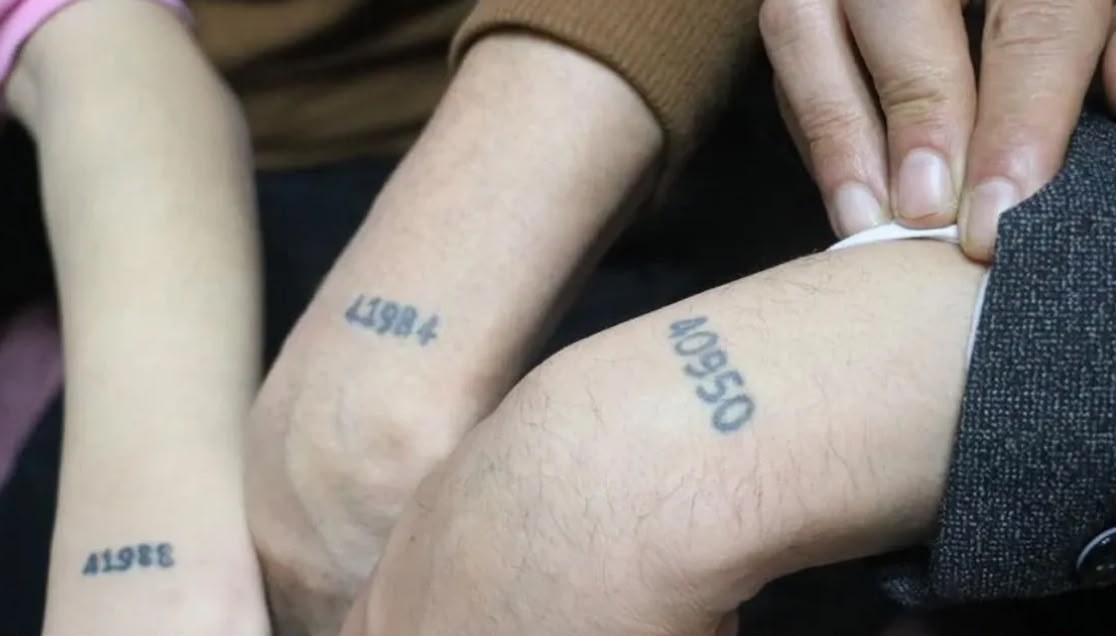
At TURKADER, we aim to implement the Sevgi İzi Project to contribute to the safety of persons with disabilities and individuals requiring special care, while facilitating rapid access to necessary information in the event of a disappearance or other emergency.
The primary purpose of the project is to facilitate the identification of an individual in an emergency and enable contact with pre-designated relatives or caregivers through an identification and registration system based on voluntary participation.
Purpose of the Project
- To improve the safety of persons with disabilities and individuals requiring special care in relation to the risks of disappearance and other emergencies.
- To facilitate identification of an individual in the event of disappearance.
- To provide secure access to the information of persons who should be contacted in an emergency.
- To contribute to reducing the safety concerns of families and caregivers.
- To raise public awareness of persons with disabilities and individuals requiring special care.
1. Identification System
- Individual Identification Code: A unique identification code is planned to be created for individuals who voluntarily participate in the project.
- Permanent Identification: Subject to the necessary health, safety and legal requirements being met, a permanent identification method that may be applied by qualified professionals is planned to be evaluated for voluntary participants.
- Caregiver Connection: The identification system is intended to facilitate a connection between the individual and an authorized relative or caregiver.
2. Digital Access to Information
- Unique Code: A unique identification code is planned to be created within the system for each participant.
- Emergency Information: The system is intended to allow authorized persons to access only the necessary and permitted emergency information.
- Caregiver Information: Controlled access to the contact information of the person or caregiver to be contacted in an emergency is planned.
- Secure Data Storage: Personal data will be protected in accordance with applicable data protection legislation and appropriate security standards.
- Authorized Access: Access to sensitive information is intended to be restricted through authorization mechanisms and security controls.
3. Registration and Emergency Response System
- Storing participant information within a secure registration system.
- Enabling information to be updated when necessary.
- Defining procedures to be followed in emergency situations.
- Establishing coordination mechanisms with authorized persons and institutions.
- Regularly evaluating the operation of the project.
4. Education and Awareness
- Providing families and caregivers with information about how to use the system.
- Public awareness activities.
- Educational activities relating to emergency procedures.
- Preparation of brochures, posters and digital information materials.
5. Free Service and Access
- Free Participation: The project is intended to be provided to participants free of charge.
- Equal Access: The project aims to provide equal access to individuals who meet the applicable eligibility requirements.
- Voluntary Participation: Participation in the project will be entirely voluntary.
- Sustainability: Sponsorship, donation and grant opportunities are planned to be explored to support the sustainability of the project.
Target Audience
- Persons with disabilities and individuals requiring special care.
- Their caregivers and families.
- Care and rehabilitation centers.
- Non-governmental organizations.
- Healthcare and social service institutions.
- Local authorities and relevant public institutions.
Expected Outcomes
- Improved safety for persons with disabilities and individuals requiring special care.
- Reduced time required to access information in cases of disappearance and similar emergencies.
- Contribution to reducing the safety concerns of families and caregivers.
- Secure and controlled access to emergency information.
- Increased public awareness of persons with disabilities.
Organization and Stakeholders
- Healthcare and social service institutions.
- Organizations working in the fields of disability and special care.
- Local authorities and public institutions.
- Security and emergency response units.
- Qualified professionals holding the necessary authorizations and permits.
- Technology and software companies.
- Sponsors and business partners.
- Volunteers and specialists.
Financing and Sustainability
- The association's own resources and member contributions.
- Sponsorships and donations.
- Local and international grant programs.
- Support from public institutions and municipalities.
- Cooperation developed within the scope of social responsibility projects.
- Volunteer contributions and in-kind assistance.
Important Note
The Sevgi İzi Project is planned to operate on the basis of voluntary participation. For minors or individuals who are unable to provide legally valid consent on their own behalf, the necessary procedures involving a parent, guardian or legal representative will apply.
The processing, storage and sharing of personal and sensitive data will be carried out in accordance with applicable data protection legislation, explicit consent or other applicable legal grounds, together with the necessary information security measures.
Any procedures of a medical nature or involving permanent identification will only be carried out after the relevant legal, health and safety requirements and necessary professional standards have been satisfied.
Conclusion
The Sevgi İzi Project is intended to become a social responsibility initiative that contributes to the safety of persons with disabilities and individuals requiring special care, supports their families and caregivers and promotes greater public awareness.