Türkiye · Montenegro
Strong Connections in Montenegro, A Shared Future.
We bring business people and friends together and strengthen culture, solidarity and cooperation.
Türkiye · Montenegro
We bring business people and friends together and strengthen culture, solidarity and cooperation.
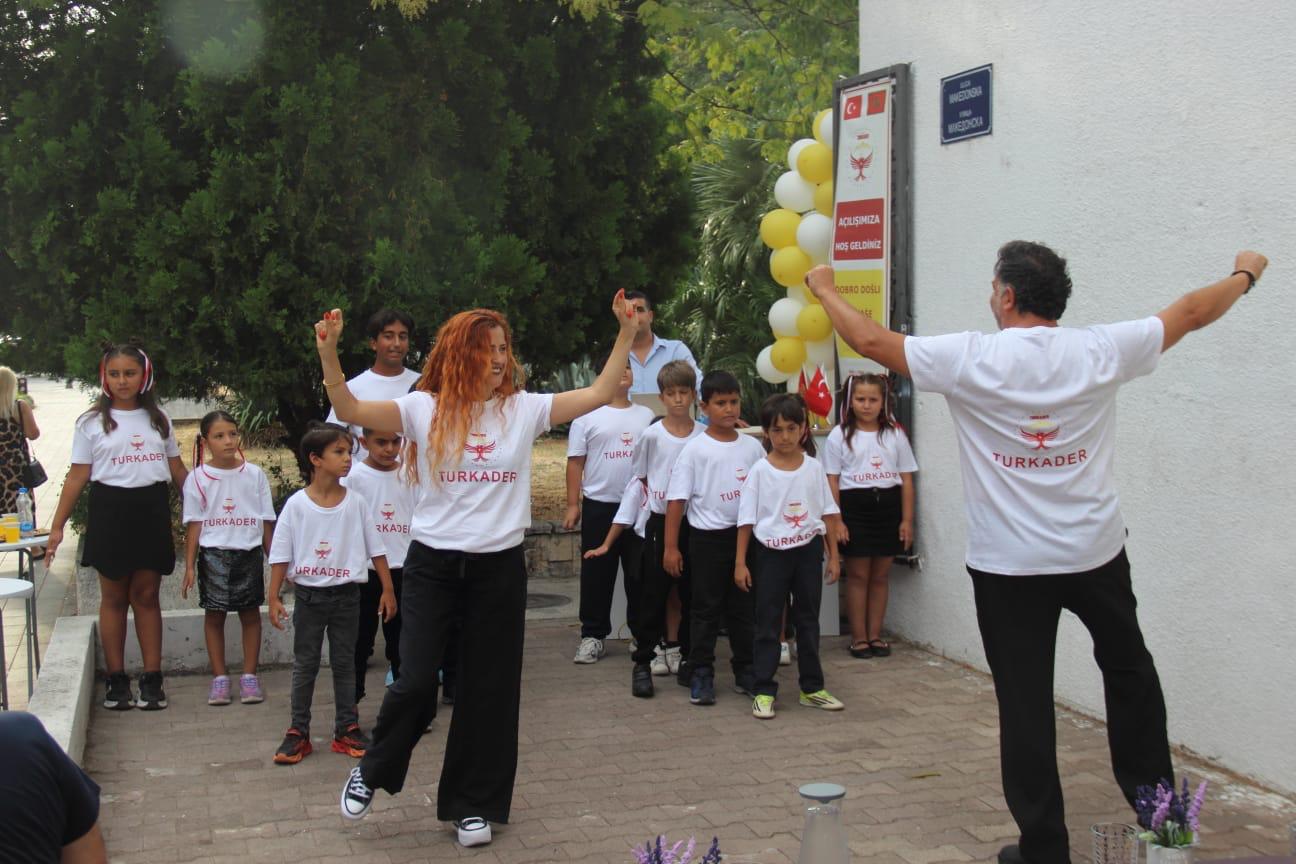
TURKADER · OUR FIRST STEP TOGETHER
At an opening that brought friendship, culture and solidarity under one roof, we took the first step together toward stronger ties for the future.
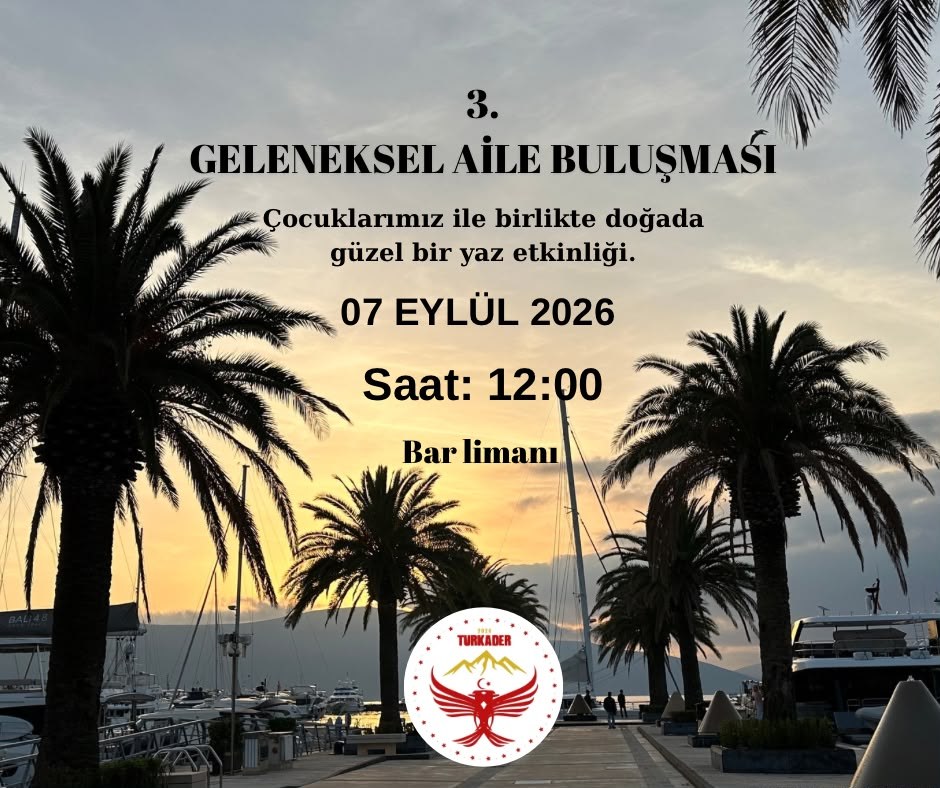
TURKADER Family Picnic
A free TURKADER family picnic bringing members and their families together in nature for a day of solidarity, cultural activities, games, entertainment and quality family time.
View Event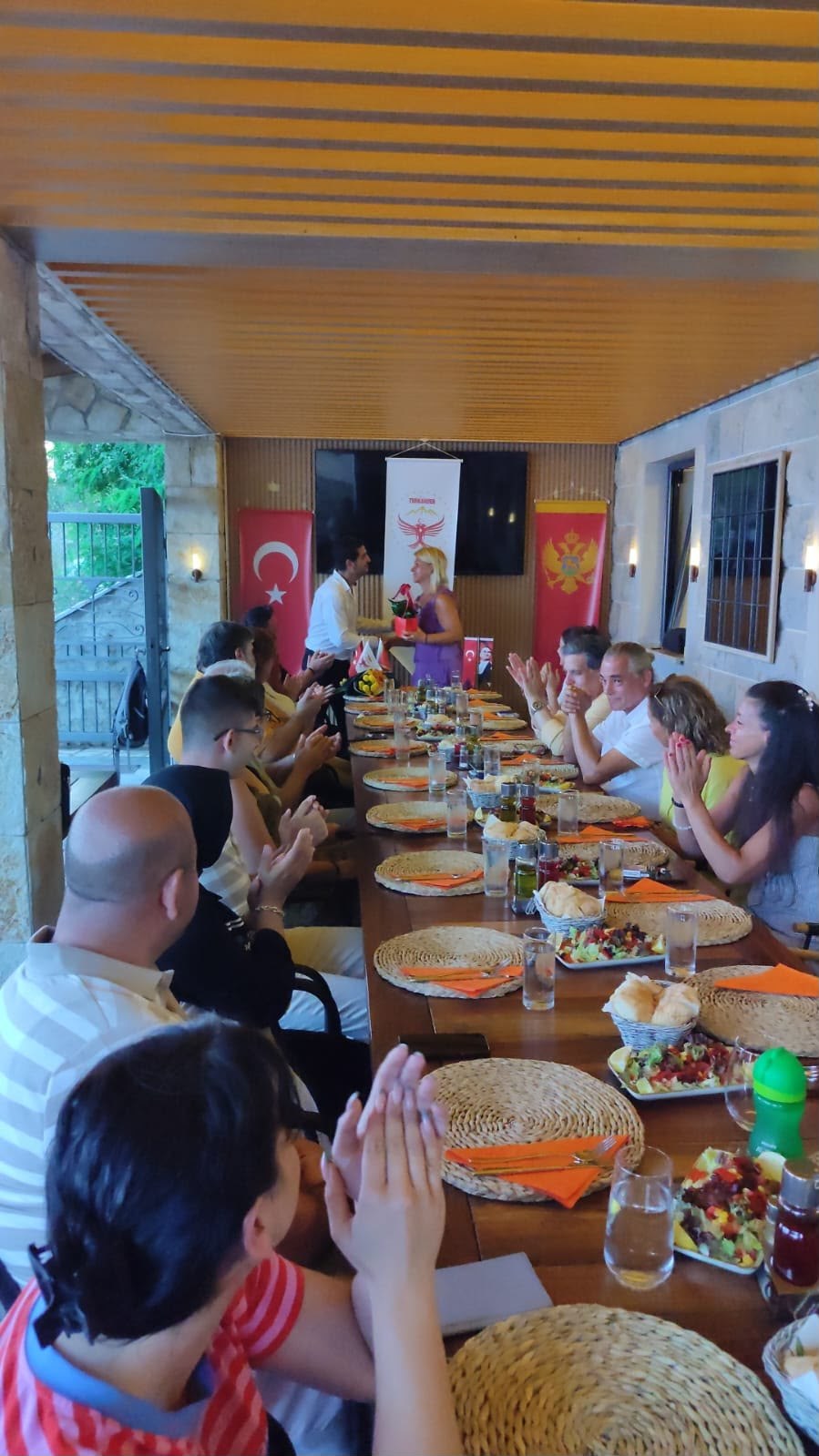
The Türkiye-Montenegro Solidarity Platform has announced that this year's second anniversary celebration will not be held due to the official opening organization of our association. TURKADER's First Anniversary Dinner will instead be celebrated with a grand event in 2027.
Read NewsMONTENEGRO
A Black Mountain by Name, a Soul Just as Deep
{{media:a0bba658-e0e6-47aa-94e5-8fdbd6934c58}}
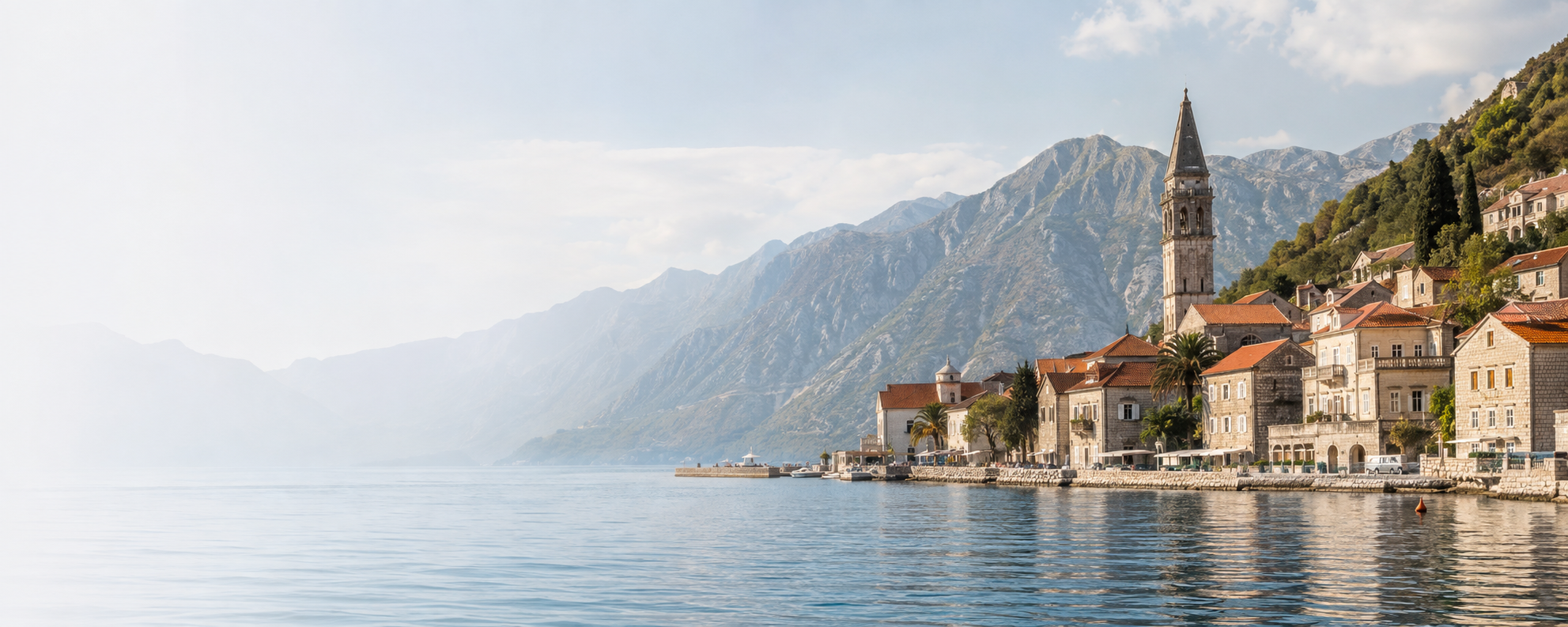
Montenegro… A country whose name evokes its dark mountains, with a history as deep as its soul and nature as captivating as its landscape. “Monte Negro” – Black Mountain. The name perfectly captures the striking contrast between mountains covered in lush green forests and the deep blue waters of the Adriatic. Although small in size, this land is home to a rich heritage stretching from some of the earliest civilizations to the present day, breathtaking natural beauty, and warm, hospitable people.
Montenegro is located in the heart of Southeastern Europe, on the northern coast of the Adriatic Sea. Covering an area of 13,888 km², it is a small yet remarkable country. It borders Serbia and Bosnia and Herzegovina to the north, Kosovo and Albania to the east, and Croatia to the west. With 240 kilometers of coastline, the country shines like a pearl of the Adriatic. Its capital, Podgorica, is the administrative and economic center of the country.
Montenegro's history stretches back thousands of years to the Illyrian tribes. These peoples, who inhabited the region from the 5th to the 2nd century BC, are among the earliest known ethnic groups in the territory of present-day Montenegro. The region later came under Roman rule and, following the division of the Roman Empire, fell within the sphere of influence of the Byzantine Empire. During the Middle Ages, some of the earliest state formations associated with modern Montenegro emerged in the region; from the 9th century onward, the area became known as “Duklja” and later as “Zeta.”
Resistance to the Ottoman Empire: Montenegro was one of the few Balkan lands that managed to preserve a significant degree of autonomy throughout long periods of its history. Despite the expansion of the Ottoman Empire into the region, Montenegrins resisted from their mountainous homeland and preserved their freedom for extended periods. This spirit of resistance became an important cornerstone of the country's national identity.
Modern Era: At the Congress of Berlin in 1878, Montenegro was internationally recognized as an independent state, and in 1910 it was proclaimed a kingdom. Following World War I, it became part of the Kingdom of Serbs, Croats and Slovenes, later known as the Kingdom of Yugoslavia. After World War II, Montenegro became one of the six republics of the Socialist Federal Republic of Yugoslavia. During the breakup of Yugoslavia in the 1990s, Montenegro remained together with Serbia, and in 2003 the two formed the looser State Union of Serbia and Montenegro. Finally, in the referendum held on May 21, 2006, 55.6% voted in favor of independence, and Montenegro once again became an independent state.
With an estimated population of around 634,000 in 2025, Montenegro is small but highly multicultural. Its ethnic composition is as follows:
The official language is Montenegrin, while Serbian, Bosnian, Albanian, and Croatian are also widely spoken. This multilingual and multi-religious character makes the country a rich cultural mosaic. Sacred sites such as Ostrog Monastery and Cetinje Monastery are important destinations for visitors of different faiths.
Montenegro offers something for every kind of traveler. Here are some of the places that should not be missed:
Kotor: UNESCO's Crown Jewel
One of the best-preserved medieval towns on the Adriatic, Kotor is listed as a UNESCO World Heritage Site. Climb to the San Giovanni Fortress for spectacular views of the bay and wander through narrow cobbled streets on a journey through history. According to legend, Kotor was the only city that Barbarossa Hayreddin Pasha could not capture, its formidable walls standing firm against Ottoman power.
Budva: The Pearl of the Adriatic
With a history stretching back around 2,500 years, Budva is like an open-air museum. Its Old Town walls, narrow streets and ancient churches enchant visitors, while its numerous beaches offer the perfect opportunity to enjoy the Adriatic Sea.
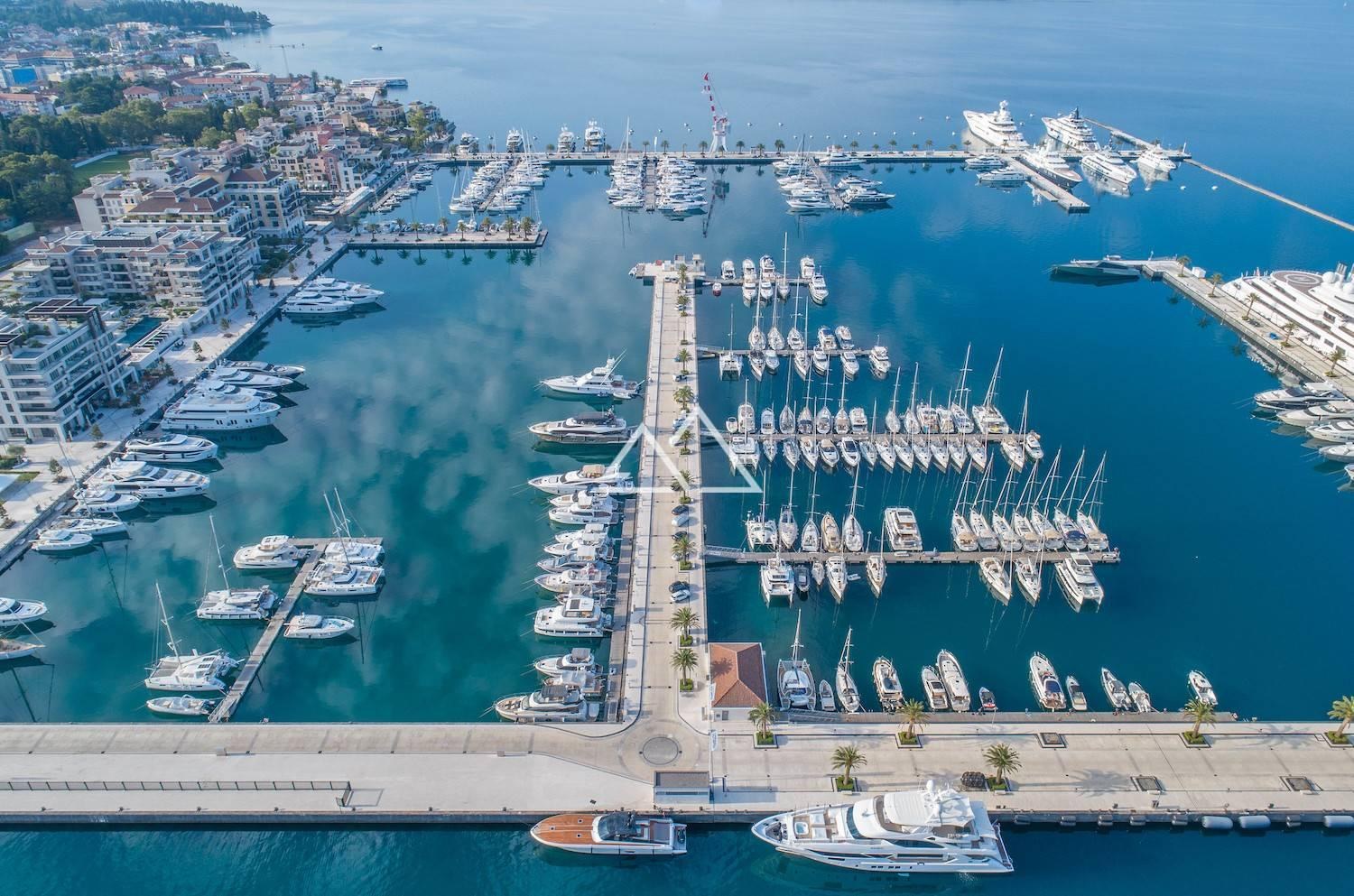
Tivat and Porto Montenegro
Where luxury meets nature, Tivat is famous for the spectacular Porto Montenegro marina. Stylish hotels, fine restaurants and a variety of water sports offer an exclusive holiday experience.
Cetinje: The Cultural Capital
Montenegro's historic capital and cultural center, Cetinje is home to a rich cultural heritage, including the King Nikola Museum, the Biljarda and its monasteries. The Oktoih, printed here in 1494 and among the earliest South Slavic Cyrillic printed books, is testimony to the country's deep cultural roots.
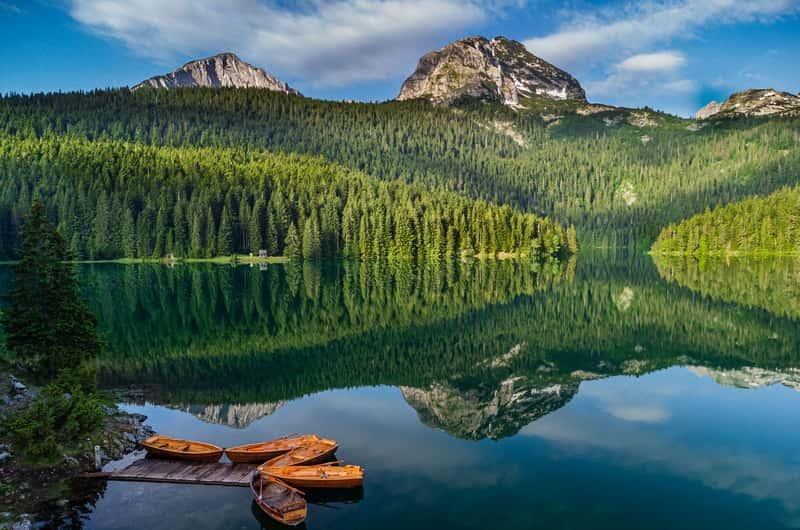
Žabljak and Durmitor: A Natural Wonder
Žabljak, one of the highest towns in the Balkans, together with Durmitor National Park and the spectacular Tara River Canyon, is a paradise for nature lovers.
Herceg Novi: The City of the Sun
Known as the “City of the Sun,” Herceg Novi is famous for its mimosa trees and the Sahat Kula (Clock Tower), one of the city's best-known landmarks.
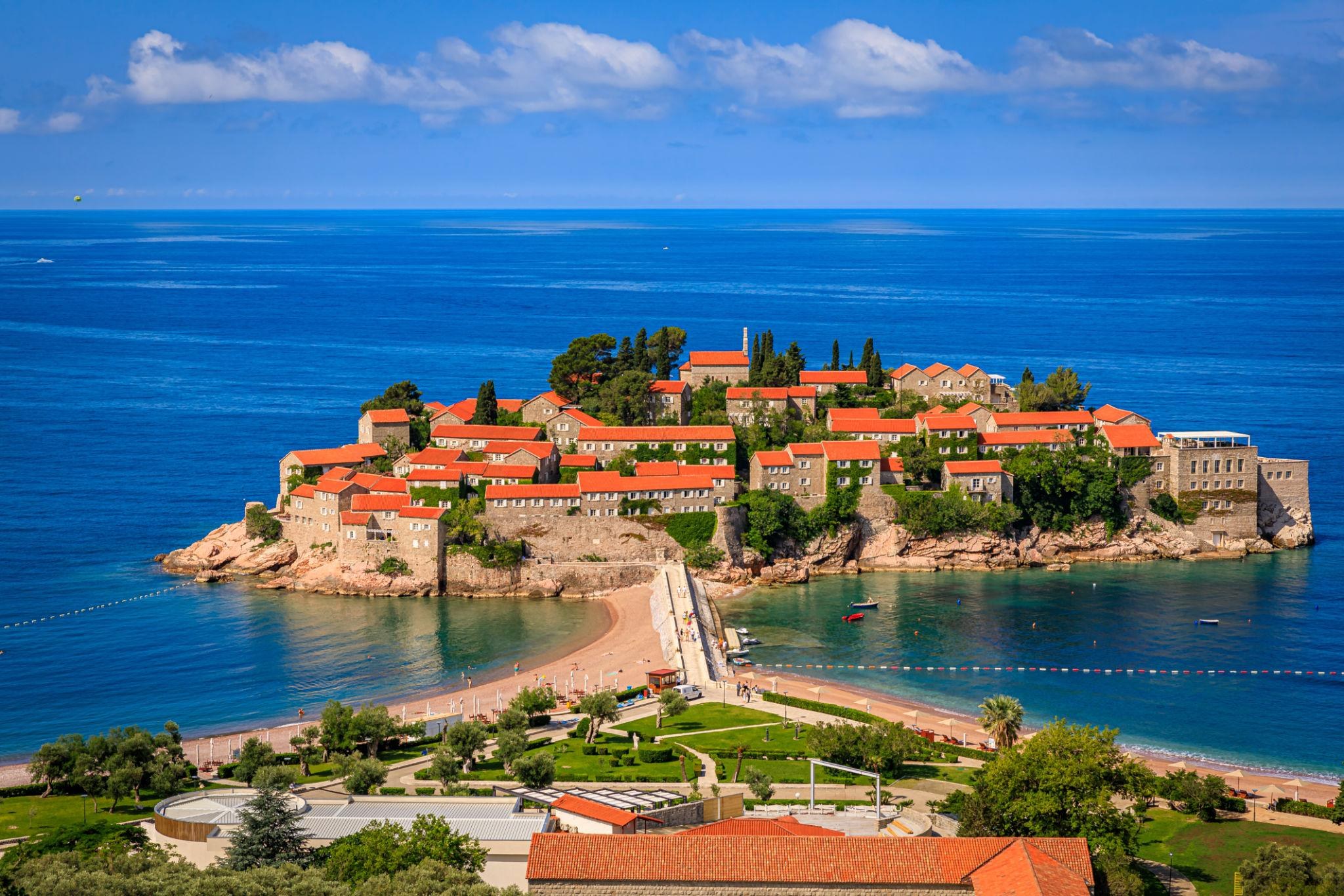
Sveti Stefan: A Medieval Village
This historic settlement near Budva offers one of Montenegro's most iconic views and remains a favorite destination for photographers from around the world.
Although Montenegro is not officially a member of the European Union, it uses the euro as its currency. Tourism is one of the most important driving forces of the country's economy. Montenegro became a NATO member in 2017 and continues its process toward European Union membership. With its developing economy, Montenegro is not only a holiday paradise but also a country offering a variety of investment opportunities.
Montenegro will captivate you with its history, culture, natural beauty and warm, hospitable people. The turquoise waters of the Adriatic, the dark mountains rising behind them, ancient cities protected by UNESCO and the sense of history at every turn make Montenegro a treasure waiting to be discovered. Whether you are passionate about history, a lover of nature, or simply want to enjoy the sea, sand and sunshine, Montenegro is sure to enchant you.
Türkiye - Montenegro Solidarity Association
“Though our roots may be different, our hearts are one and our future is shared.”
“Stay with art, stay with friendship! 🇹🇷🤝🇲🇪”
9/11/2026
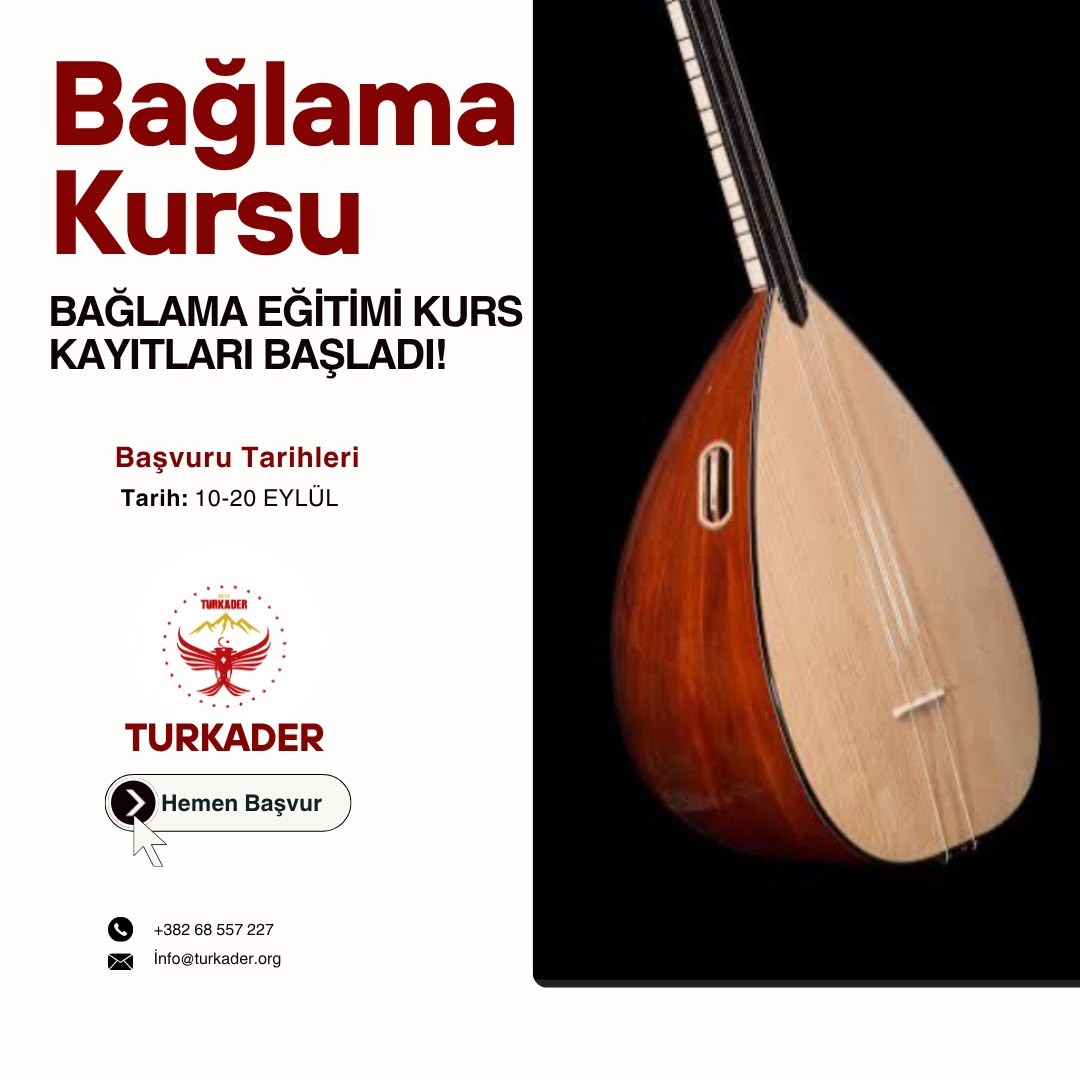
Our Bağlama Course for children and adults is held every Saturday in two separate groups. The children's group attends from 10:00 to 12:00 and the adult group from 13:00 to 15:00. Each group is limited to a maximum of 5 participants.
View Workshop